
Originally published in Rafa Basa.com · October 2007
John Petrucci
By Rafa Basa · October 30, 2007, 7:15pm
InterviewTranslatedJohn Petrucci25 min read
Translated from the original language with DeepL, so the wording may differ from what was actually said.
Rafa Basa: Hi John! One of the main reasons to chat with you are the three upcoming concerts that Dream Theater is going to perform in our country. Let’s talk about them...
John Petrucci: OK. As you know, Symphony X are opening for us on this tour. They are great guys, very good musicians and I think they do a really good show to open the concert. We’re playing between two and two and a half hours, and of course we’ll play some songs from the new album but everyone can be sure to hear a good selection of songs from previous Dream Theater albums as well.
RB: What will the stage setup be like?
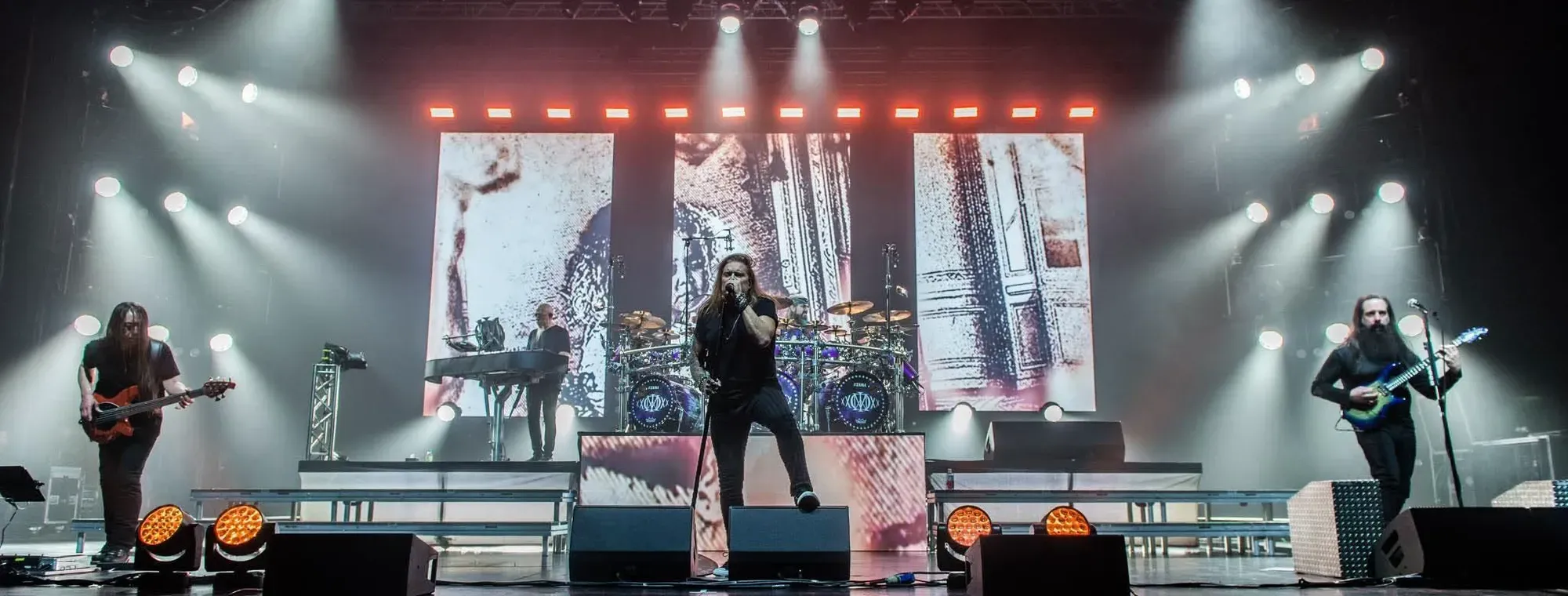
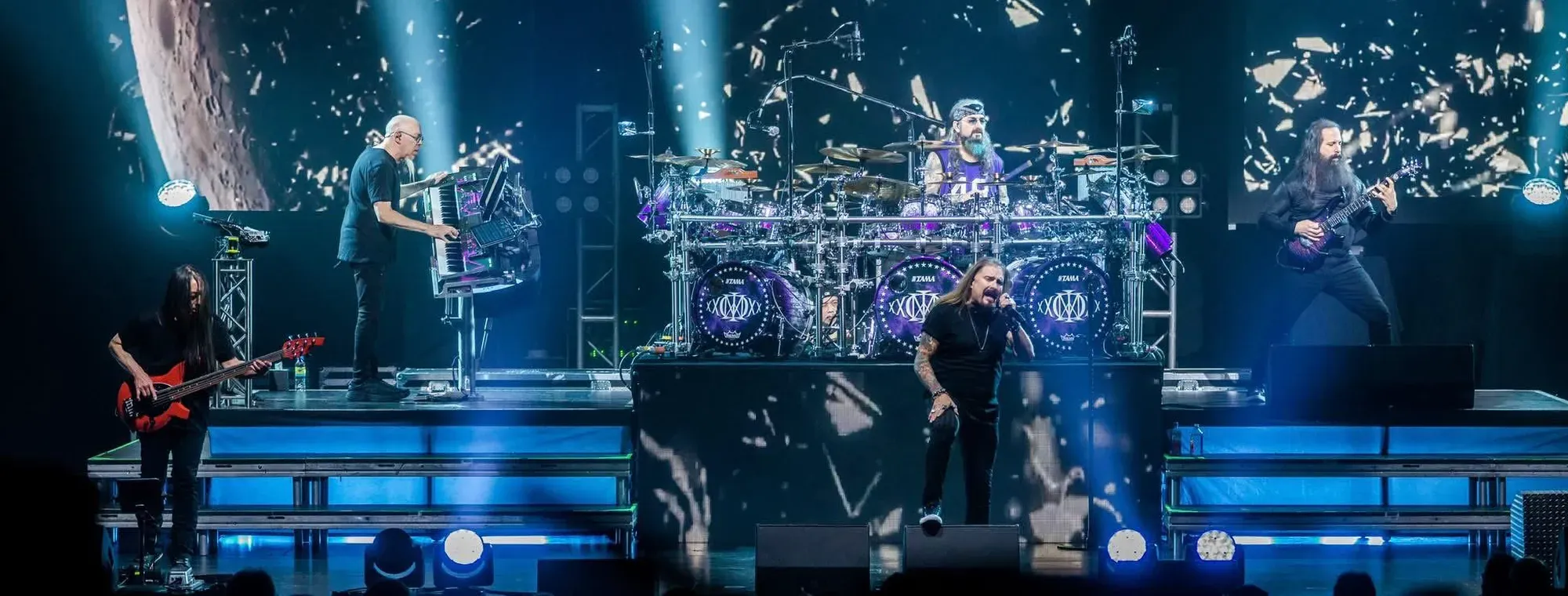
JP: Logically, it’s going to have a lot of the elements that are usual in our shows: visual aspects, video projections, scenic details that are really cool.... I think it’s one of the best tours we’ve ever done in this respect.
RB: It’s clear that Dream Theater’s concerts are always different and interesting for the audience... Will there be any “special” surprises like doing a full Metallica album, or another band’s album, as you have done in the past? Is there any possibility?
JP: Unfortunately, this time we are not going to play any complete albums of another band or ours but what we are going to do is to change the setlist of the different Spanish concerts quite a lot. So if someone sees us at several shows this time, they should know that they are going to attend different shows because in each city the songs are going to change.
RB: Your guest band is excellent. What is your opinion about them, what stands out for you about Symphony X?
JP: I really loved their new album and I think they have done an excellent job on Paradise Lost. I have seen them live at several shows on the tour and they are putting on great shows and the audience is totally into them when they are playing, they don’t seem like an opening band at that point or at all from the reaction of the audience. For me it’s great because the audience doesn’t just come to see Dream Theater and I think the joint tour is a dream for a lot of people, and we’re thrilled about the combination. It’s great for the audience to offer things like this as it’s not that common nowadays and I think both the audience and the bands end up fully satisfied.
RB: Since you are also a guitarist, what is your opinion of Michael Romeo as a guitarist and composer?
JP: I respect him a lot and first of all I would like to say that he is a magnificent guitarist. He’s one of those guys who seems to play naturally, who makes everything extremely easy and manages to bring a great feeling with his style. I think that’s kind of what he does as a songwriter, especially on the last record which is definitely the best for me of them. He’s reached a really particular direction in the last few years, using some really mind-blowing rhythms but always keeping those hook melodies so Symphony X. I’m really impressed, to be honest.
RB: Dream Theater’s last time in Spain was at the Monsters of Rock festival in Zaragoza this past summer, and I guess these concerts will be different. To close this first part of the interview, is there anything else you would like to comment especially about the next three concerts in our country?
JP: Well, obviously there are going to be differences with respect to the festival concert. Now it’s our own show, equipment, people... and of course, it will also be longer. Anyway, one of the main differences is that at the festivals we don’t have any kind of production, besides that on tour the concerts are more like we understand them, I mean, accompanying the songs with video projections, animations... In addition, we can play more diverse music, covering more albums, more extensive songs... I think what fans can expect from these concerts is Dream Theater live in its purest form.
RB: Let’s talk about other things... It’s incredible the status, recognition, and sales that the band has achieved. You are a band that, fortunately, doesn’t make commercial singles to be played on the radio, nor adapt to any kind of fashion. Your success is being achieved by your own merits. What is the level of happiness that the band has when seeing how this success and massive recognition occurs? What do you feel on an individual level, and what does the group feel in general?
John: We feel really good about this, I can tell you that. First of all, we’re a band that’s been together for a really long time and, apart from Jordan Rudess who hasn’t been with us that long, the rest of us have been playing together for about 21 years. Most bands don’t even exist that long, let alone with the same members. Also, fortunately, we have not stopped being successful, continuing to grow album by album.... So, on the one hand we are surprised but very happy to be more successful than ever and to have reached a very high level really fast, but the best thing for us is, as you were saying, to have achieved it without the help of commercial songs, MTV incursions, without being part of fashion, commercials... A couple of things have influenced this: especially working hard but also the fact that we have really passionate fans regarding everything related to Dream Theater because it’s like an expression of goodwill, of always positive behavior towards everything we do musically. Our audiences are growing more than ever and we couldn’t be more satisfied about this.
RB: Continuing with this idea, I’ve always had a personal curiosity about this. The thing is that Dream Theater is a progressive rock band and obviously your style and music is not commercial at all, and we can even say that it is not accessible a priori for all audiences. You have really complex songs, including a great dose of virtuosity and progressive developments in them... but, on the other hand, you have fans of all ages, a totally diverse audience, and above all a great legion of young fans. It still seems strange to me...
JP: It is, it is, and it is also true that we keep seeing younger and younger fans at every concert, and this gives us a lot of strength to keep doing things our way. Obviously our music has quite a lot of instrumental complexity, as well as a great intensity, but I guess young people identify a lot with a way of playing guitar or drums, you know, they are impressed, they like it and they try to learn at the same time, and it’s fascinating. I don’t know exactly what the reason is either but I totally agree with you that it’s unusual in a way... although at the same time it’s really mind-blowing to look at the audience and see 10, 12 or 14 year old kids really enjoying our music.
RB: Although we already talked with James LaBrie about Systematic Chaos, I feel like giving another spin to the album... With the album you have shown once again that you are able to evolve without losing your identity and your strongest musical postulates, nor the quality... How do you manage to look to the future, evolve, but remain faithful to your roots?
JP: Yes, those two things are extremely important for us. On the one hand, it’s important to change things so that our music remains interesting even for ourselves, but at the same time you have to keep your personality. I think the identity, sound and philosophy of the band hasn’t changed too much since the beginning, although the music has. I think the trick already since Majesty was to mix heavy metal and hard rock spirit with progressive elements, fusion and stuff like that. And this philosophy hasn’t changed yet in Dream Theater because we are still the same band, although of course to move forward you can’t keep doing exactly the same thing forever.
I think basically it’s that we are our own worst critics without a doubt both when we write music and when we produce records, and we always have to sound interesting to ourselves, we have to be new and fresh first of all to ourselves. We are really proud of the records when we play in “petit comittè” and we all feel satisfied, besides the small audience that may be listening to us at that moment, friends, fans, family or whatever. Besides, we always try to compose new things, try something different on every album, try to do something new every time... and this is what definitely keeps the freshness and the illusion as a band after so long.
RB: The album includes very powerful songs like ‘The Dark Eternal Night’ or ‘Constant Motion’, but it also moves through more melancholic paths, like in ‘The Ministry of Lost Souls’, very dramatic and very emotional... How did you get the inspiration to have so much variety in the album?
JP: The first thing is to consider the album as a complete piece of art, and from there we start working. So, the idea is that when you listen to the whole album it is a complete experience, that the whole of the various parts has a unique meaning even though at each moment it has led you to feel different emotions or has moved you along different paths. It’s like watching a movie or reading a good book, since it’s not interesting if the set of emotions inside it are the same.
The second thing is that as composers, as musicians, we have the 5 various different faces that we want to express, both as a whole and individually, of course. So all of a sudden we can play a very heavy song, with powerful riffs like ‘The Dark Eternal Night’, but at the same time it’s very interesting to make songs from a more sensitive point of view, with more melodic and beautiful parts... It’s that as a musician you have to explore all these artistic sides that you’re trained for, at least that’s my opinion. So, if you do this, you keep the variety that I think is necessary to make the whole album interesting. In the end everything influences so that neither the author nor the listeners end up getting bored and the passion is maintained on both sides.
RB: The album is so varied that it even includes touches of modernity, like the ones we find in ‘Prophets of War’... How did this theme, in my opinion a bit risky, come up?
JP: The curious thing about our music, or rather our philosophy as musicians, is the obligation we impose on ourselves to take risks. Keep in mind that we are influenced by a lot of different kinds of music, from bands of all styles... So, within the fact of being progressive, of wanting to show all our musical sides, there is the fact of taking risks. In that song it’s us but sounding a little bit different, but it’s part of the evolution that we were saying before, to express ourselves in a different direction in that case. ‘Prophets of War’ is a song that we really enjoy playing and I think it’s an important piece to make sense of that “systematic chaos” that dominates the whole album. It’s just that if we always sounded like ‘Pull Me Under’ we would have become a really boring band years ago. We like to give ourselves the opportunity to take risks, to mix styles and experiment with what we are capable of doing, that’s all.
RB: And to finish, when you listen to the first and last track, ‘In the Presence of Enemies’ part I and II it’s like getting into a movie... Do you feel the same sensation?
JP: Yes, that’s what I was telling you before, that our album is somehow like a movie, we like to approach it to the listener like someone who goes to the cinema and gets into a good movie, with its different parts and so on. Therefore, logically the beginning and the end are very important and somehow they are usually more related to each other than any other part of the movie. That is certainly the case here.
RB: Now that several months have passed since the release of Systematic Chaos, how do you personally see and how do you define the album musically speaking... especially for the people who might discover the album on tour?
John: Well, the truth is that everybody is receiving it really well. Whenever an album is released there is always a certain risk but the truth is that every album of ours is a notch ahead of the previous one, it enters better on the charts... so we can’t complain at all. This time for example we have entered the American charts at number 20, which is something that had never happened to us before. Anyway, we’ve been touring since June, so I can’t talk too much about these things either because we’ve been on the album tour since then almost exclusively.
At the concerts the reactions with the new songs are excellent so it seems that people are really liking them. They seem to really enjoy those songs, they sing them as if they were classics and for us it’s something very special. [Ed: either he understood me otherwise or he wanted to talk to me about this, but well, let’s continue with the interview...]
RB: How is your work as guitarist in this album? Which song do you feel more proud of as far as your work is concerned?
JP: I think that in the two tracks of ‘In the Presence of Enemies’ I have been able to develop a great work as an instrumentalist, besides showing several aspects of my style. At certain moments I like to play quite melodic, trying to add a lot of passion to the sound, suddenly being more technical, now harder and at other times more dramatic or melancholic than you said before. I think this album has given me the opportunity to do all of that in the same work and it’s something I really enjoy playing live, especially on these songs if I have to be particular.
RB: Speaking of John Petrucci in this case, last spring you did a new G3 tour in the USA, this time with Mike Portnoy, along with Satriani and Paul Gilbert. How did the experience turn out? What did the concerts consist of and how did they go, what material did you play?
John: Well, G3 has been going on for several years now and for me it’s actually the sixth tour I’ve done as such. The last one was actually in North America last spring and, besides of course Joe Satriani, it was Paul Gilbert with us. These kinds of things are really fun and are very enjoyable if you are a guitarist. Keep in mind that it’s about going out on the road, playing basically instrumental music with some of the best instrumentalists in the world and in front of people who love this stuff... and you get to jam at the end and everyone loves it! [laughs] Basically it’s pure fun, although at these shows I dedicate myself to playing music from my solo albums, just like Joe and Paul do in this case, and in the end we get together to play rock classics together as a jam...
I think all the G3 experiences are great for any guitarist who participates because it’s pure fun for us, besides being able to play your own material, improvise... Whether you’re a guitar player or a fan of the solo guitarists’ style, any G3 is a wonderful experience.
RB: By the way, what and how will be your future solo projects?
JP: Aside from the Dream Theater tour, my next project is a new solo album. I have no idea when it will be fully ready or when it is scheduled to be released because I will be very busy until June touring with the band. It will be a guitar instrumental album but as of today I can’t say much more about it because I still don’t have a title or many songs finished.
RB: And apart from continuing touring, when is Dream Theater planning a next album?
JP: Well, right now we’re focused on touring so we haven’t talked about what the new album will be. Now we’re going to Asia, Australia, Latin America... so I guess we won’t be working on anything new until at least spring 2008.
RB: We end here, thank you very much for your time and see you in Spain in a few days. Anything to add to close?
JP: Thanks to you. We are very excited about coming back to Spain with our own show because it is one of the countries where we feel most loved. There is always a great feeling with our audience in Spain, and people are really passionate about DT’s music. As a musician, I am thrilled to be able to show the new songs to people live and see their reaction. Also, Spain is a beautiful country and we have been told that these days there is no bad weather so everything is perfect for the concerts in Spain to be wonderful again.
Original text
John Petrucci
30 octubre, 2007, 7:15pm
- ¡Hola John! Uno de los motivos principales de charlar contigo son los tres próximos conciertos que Dream Theater va a realizar en nuestro país. Hablemos de ellos...
John.- Ok. Como sabéis, Symphony X abren para nosotros en esta gira. Son tipos geniales, muy buenos músicos y creo que hacen un show realmente bueno para abrir el concierto. Nosotros estamos tocando entre dos horas y dos y media, y por supuesto que tocaremos algunas canciones del nuevo álbum pero todo el mundo puede estar seguro de que oirá también una buena selección de temas de los anteriores discos de Dream Theater.
- ¿Cómo será el montaje escénico?
John.- Lógicamente, va a tener muchos de los elementos que son habituales en nuestros shows: aspectos visuales, proyecciones de vídeo, detalles escénicos que realmente molan... Creo que es de los mejores giras en este aspecto que hemos hecho nunca.
- Está claro que los conciertos de Dream Theater siempre son diferentes e interesantes para el público... ¿Habrá alguna sorpresa “especial” como hacer algún álbum de Metallica completo, o de otra banda, como ya habéis hecho en el pasado? ¿Hay alguna posibilidad?
John.- Lamentablemente, esta vez no vamos a tocar ningún disco completo de otra banda o nuestro pero lo que sí vamos a hacer es cambiar bastante el set list de los distintos conciertos españoles. Así que si alguien nos ve en varios shows esta vez, que sepa que va a asistir a diferentes conciertos porque en cada ciudad los temas van a cambiar.
- Vuestra banda invitada es excelente. ¿Qué opinión tienes sobre ellos, qué es lo que más destaca para tí de Symphony X?
John.- Realmente me ha encantado su nuevo disco y creo que han hecho un trabajo excelente en “Paradise lost”. Los he visto en directo en varios conciertos de la gira y están haciendo grandes shows y la audiencia está totalmente pendiente de ellos cuando están tocando, no parece un grupo telonero en ese momento ni mucho menos por la reacción de la audiencia. Para mí es genial porque el público no sólo viene a ver a Dream Theater y creo que el tour conjunto es un sueño para mucha gente, y nosotros estamos encantados de la combinación. Es genial para el público el ofrecer cosas de este tipo ya que no es tan común actualmente y creo que tanto la audiencia como las bandas terminan plenamente satisfechas.
- Tú que también eres guitarrista, ¿qué opinión tienes como Michael Romeo, como guitarrista y compositor?
John.- Le respeto mucho y lo primero de todo es decir que es un guitarrista magnífico. Es uno de esos tipos que parece que tocan de manera natural, que todo lo hacen extremadamente fácil y consigue aportar un gran sentimiento con su estilo. Creo que es un poco lo que hace como compositor, especialmente en el último disco que es definitivamente el mejor para mí de ellos. Ha alcanzado una dirección realmente particular en los últimos años, utilizando unos ritmos realmente alucinantes pero manteniendo siempre esas melodías gancho tan Symphony X. Me tiene muy impresionado, la verdad.
- La última vez de Dream Theater en España fue en el festival Monsters of Rock de Zaragoza este pasado verano, y supongo que estos conciertos serán diferentes. Para cerrar esta primera parte de la entrevista, ¿hay algo más que te apetezca comentar especialmente de los próximos tres conciertos en nuestro país?
John.- Bueno, obviamente va a haber diferencias con respecto al concierto del festival. Ahora es nuestro propio show, equipo, gente... y claro, también será más largo. De todas formas, una de las principales diferencias es que en los festivales no llevamos ningún tipo de producción, además de que en gira los conciertos son más como nosotros los entendemos, ya te digo, acompañando los temas con proyecciones de vídeo, animaciones... Además, podemos tocar música más diversa, abarcando más álbumes, canciones más extensas... Yo creo que lo que los fans pueden esperar de estos conciertos es Dream Theater en directo en estado puro.
- Hablemos de otras cosas... Es increíble el status, reconocimiento, y ventas que ha alcanzado la banda. Vosotros sois un grupo que, afortunadamente, no hace singles comerciales para sonar en las FM´s, ni se adapta a modas de ningún tipo. Vuestro éxito lo estáis consiguiendo por méritos propios. ¿Cómo es el nivel de felicidad que tiene la banda al ver cómo se produce éste éxito y reconocimiento masivo? ¿Qué sientes tú a nivel individual, y que siente el grupo en general?
John.- Nos sentimos realmente bien con respecto a esto, te lo aseguro. Lo primero de todo es que somos una banda que llevamos juntos realmente mucho tiempo y es que, aparte de Jordan Rudess que no lleva tanto, el resto llevamos como 21 años tocando juntos. La mayoría de las bandas ni siquiera existen tanto tiempo y ni mucho menos con los mismos miembros. Además, afortunadamente, no hemos parado de tener éxito, de seguir creciendo disco a disco... Entonces, por un lado estamos sorprendidos pero muy contentos de tener ahora más éxito que nunca y haber llegado a un nivel muy alto de manera realmente rápida, pero lo mejor para nosotros es, como tú decías, el haberlo conseguido sin ayuda de canciones comerciales, incursiones de la MTV, sin ser parte de modas, anuncios... Para esto han influido un par de cosas: especialmente trabajar duro pero también el hecho de tener unos fans realmente apasionados con respecto a todo lo referente a Dream Theater porque es como una expresión de buena voluntad, de conducta siempre positiva hacia todo lo que hacemos musicalmente. Nuestras audiencias van creciendo más que nunca y no podemos estar más satisfechos sobre esto.
- Continuando con esta idea, siempre he tenido una curiosidad personal con respecto a esto. El caso es que Dream Theater es una banda de rock progresivo y obviamente vuestro estilo y música no es nada comercial, e incluso podemos decir que no es accesible a priori para todos los públicos. Tenéis canciones realmente complejas, incluyendo una gran dosis de virtuosismo y desarrollos progresivos en ellas... pero, por contra, tenéis fans de todas las edades, público totalmente variopinto, y sobre todo una gran legión de seguidores jóvenes. No me deja de parecer extraño...
John.- Lo es, lo es, y además es cierto que no dejamos de ver en todos los conciertos fans cada vez más jóvenes y esto nos da mucha fuerza para seguir haciendo las cosas a nuestra manera. Obviamente nuestra música tiene bastante complejidad instrumental, además de una gran intensidad, pero supongo que la gente joven se identifica mucho con una forma de tocar la guitarra o la batería, ya sabes, se impresionan, les gusta y tratan de aprender a la vez, y es fascinante. Yo tampoco sé exactamente cuál es la razón pero estoy totalmente de acuerdo contigo en que es inusual de algún modo... aunque al mismo tiempo es realmente alucinante mirar a la audiencia y ver a niños de 10, 12 o 14 años disfrutando realmente con nuestra música.
- Aunque ya hablamos con James LaBrie sobre “Systematic Chaos “, me apetece darle otra vuelta al disco... Con el álbum habéis vuelto a demostrar que sois capaces de evolucionar sin perder vuestra identidad de siempre y vuestros más firmes postulados musicales, ni la calidad... ¿Como se consigue mirar hacia el futuro, evolucionar, pero seguir fiel a las raíces?
John.- Sí, esas dos cosas son extremadamente importantes para nosotros. Por un lado, es importante el cambiar cosas para que nuestra música siga siendo interesante incluso para nosotros mismos, pero a la vez tienes que mantener tu personalidad. Yo pienso que que la identidad, sonido y filosofía de la banda no ha cambiado demasiado desde el principio, aunque la música sí. Creo que el truco ya desde MAJESTY estuvo en mezclar el heavy metal y el espíritu del hard rock con elementos progresivos, fusión y cosas así. Y esta filosofía no ha cambiado aún en Dream Theater porque seguimos siendo la misma banda, aunque por supuesto que para avanzar no puedes continuar haciendo exactamente lo mismo eternamente.
Yo creo que básicamente es que nosotros somos nuestros peores críticos sin duda tanto cuando escribimos música como cuando producimos discos, y siempre tenemos que sonar interesantes para nosotros mismos, tenemos que ser nuevos y frescos lo primero para nosotros mismos. Nosotros estamos realmente orgullosos de los discos cuando tocamos en “petit comittè” y todos nos sentimos satisfechos, además de la pequeña audiencia que nos pueda estar escuchando en ese momento, amigos, fans, familia o lo que sea. Además, siempre intentamos componer cosas nuevas, probar algo diferente en cada disco, intentar hacer algo nuevo cada vez... y esto es lo que mantiene definitivamente la frescura y la ilusión como banda después de tanto tiempo.
- El disco incluye temas muy poderosos como “The Dark Eternal Night” o “Constant Motion”, pero también se mueve por caminos más melancólicos, como en “The Ministry of Lost Souls”, muy dramático y muy emotivo... ¿Cómo conseguisteis la inspiración para que haya tanta variedad en el álbum?
John.- Lo primero de todo es considerar el álbum como una pieza completa de arte, y a partir de ahí comenzamos a trabajar. Entonces, la idea es que cuando escuches el disco entero sea una experiencia completa, que el conjunto de varias partes tenga sentido único aunque en cada momento te haya llevado a sentir diferentes emociones o te haya movido por diferentes caminos. Es como si ves una película o lees un buen libro, ya que no es interesante si el conjunto de emociones que hay dentro de ello son iguales.
Lo segundo, es que como compositores, como músicos, tenemos los 5 varias diferentes caras que queremos expresar, tanto a nivel conjunto como individual, por supuesto. Por eso de repente podemos tocar una canción muy heavy, con potentes riffs como “Dark eternal night”, pero a la vez es muy interesante el hacer canciones desde el punto de vista más sensitivo, con partes más melódicas y bonitas... Es que como músico tienes que explorar todas estas caras artísticas para las que estás capacitado, al menos es mi opinión. Entonces, si haces esto, mantienes la variedad que pienso que es necesaria para que el álbum completo sea interesante. Al final todo influye para que ni el autor ni los oyentes se acaben aburriendo y se siga manteniendo la pasión por ambas partes.
- El disco es tan variado que hasta incluye pinceladas de modernidad, como los que encontramos en “Prophets of War”... ¿Cómo surgió este tema, en mi opinión un tanto arriesgado?
John.- Lo curioso de nuestra música, o más bien de nuestra filosofía como músicos, es la obligación que nos imponemos a nosotros mismos de arriesgar. Ten en cuenta que estamos influenciados por un montón de diferentes tipos de música, de grupos de todos los estilos... Entonces, dentro del hecho de ser progresivos, de querer mostrar todas nuestras caras musicales, está el hecho de afrontar riesgos. En ese tema somos nosotros pero sonando de una manera un tanto diferente, pero es parte de la evolución que decíamos antes, de expresarnos en una dirección distinta en ese caso . “Prophets of war” es una canción que disfrutamos mucho tocando y creo que es una pieza importante para dar sentido a ese “caos sistemático” que domina el disco completo. Es que si siempre sonáramos como “Pull me under” nos habríamos convertido hace años en un grupo realmente aburrido. Nos gusta darnos la oportunidad de asumir riesgos, de mezclar estilos y experimentar con lo que somos capaces de hacer, eso es todo.
- Y para terminar, cuando escuchas el primer y último tema, “In the Presence of Enemies” parte I y II es como meterte en una película... ¿Sientes la misma sensación?
John.- Sí, es lo que te decía antes, que un disco nuestro es de algún modo como una película, nos gusta enfocarlo de cara al oyente como quien va al cine y se mete en una buena película, con sus diferentes partes y demás. Por eso, lógicamente el principio y el final son muy importantes y de algún modo suelen estar más relacionados entre sí más que ninguna otra parte de la película. Es lo que ocurre en este caso sin duda.
- Ahora que han pasado varios meses desde la edición de “Systematic Chaos”, ¿cómo ves personalmente y cómo defines el disco musicalmente hablando?... especialmente te lo digo para la gente que quizás descubra el disco en la gira.
John.- Bueno, la verdad es que todo el mundo lo está recibiendo realmente bien. Siempre que sale un disco a la venta hay un cierto riesgo pero la verdad es que cada disco nuestro va un puntito por delante del anterior, entra mejor en las listas... así que no nos podemos quejar en absoluto. Esta vez por ejemplo hemos entrado en las listas americanas en el número 20, que es algo que no nos había ocurrido hasta ahora. De todas formas, llevamos girando desde junio, así que tampoco puedo hablar demasiado de estas cosas porque estamos metidos en la gira de presentación del disco desde entonces casi exclusivamente.
En los conciertos las reacciones con los temas nuevos están siendo excelentes así que parece que a la gente le está gustando mucho. Parecen disfrutar realmente con esas canciones, las cantan lo mismo que si fueran clásicos y para nosotros es algo muy especial. (ndr: o me entendió otra cosa o quería hablarme de esto, pero bueno, seguimos con la entrevista...)
– ¿Cómo es tu labor como guitarrista en este álbum? ¿De qué tema te sientes más orgulloso en cuanto a tu trabajo se refiere?
John.- Creo que en los dos temas de “In the presence of the enemies” he podido desarrollar una gran labor como instrumentista, además de mostrar varios aspectos de mi estilo. En ciertos momentos me gusta tocar bastante melódico, intentando imprimir mucha pasión al sonido, de repente ser más técnico, ahora más duro y en otro momento más dramático o melancólico que decías tú antes. Creo que este disco me ha dado la oportunidad de hacer todo eso en un mismo trabajo y es algo que disfruto muchísimo al tocar en directo, especialmente en estos temas si tengo que particularizar.
- Hablando de John Petrucci en este caso, la pasada primavera realizaste un nuevo G3 Tour por USA, esta vez con Mike Portnoy, junto a Satriani y Paul Gilbert. ¿Cómo resultó la experiencia? ¿En que consistieron los conciertos y cómo fueron, que material interpretasteis?
John.- Bueno, el G3 lleva ya haciéndose varios años y para mí concretamente es el sexto tour que hago como tal. El último fue efectivamente en Norteamérica la pasada primavera y, además de por supuesto Joe Satriani, era Paul Gilbert quien nos acompañó. Este tipo de cosas son realmente divertidas y se disfrutan un montón si eres guitarrista. Ten en cuenta que se trata de salir a la carretera, tocar básicamente música instrumental con algunos de los mejores instrumentistas del mundo y ante gente que adora este material... ¡y además puedes hacer jams al final y a todo el mundo le encanta! (risas). Básicamente es pura diversión aunque en estos shows me dedico a tocar música de mis discos en solitario, al igual que hacen Joe y Paul en este caso, y al final nos juntamos para tocar juntos a modo de jam, clásicos del rock...
Yo creo que todas las experiencias del G3 son estupendas para cualquier guitarrista que participa porque ya digo que es pura diversión para nosotros, además de poder tocar tu propio material, improvisar... Tanto si eres guitarrista como admirador del estilo de los guitarristas solistas, cualquier G3 es una experiencia maravillosa.
– Por cierto, ¿cuáles y cómo serán tus proyectos en solitario futuros?
John.- Aparte de la gira con Dream Theater, mi próximo proyecto es un nuevo disco en solitario. No tengo una idea de cuándo estará totalmente listo o de para cuando está previsto que se edite porque voy a estar muy ocupado hasta Junio girando con la banda. Será un disco instrumental de guitarra pero a día de hoy no puedo decir mucho más del tema porque todavía no tengo un título ni muchas canciones terminadas.
- Y aparte de seguir girando, ¿Para cuando Dream Theater se plantea un próximo álbum?
John.- Bueno, ahora estamos concentrados en la gira así que no hemos hablado casi nada con respecto al que sería el nuevo disco. Ahora vamos a Asia, Australia, Latinoamérica... así que me imagino que hasta por lo menos la primavera de 2008 no nos pondremos a trabajar en algo nuevo.
- Terminamos aquí, muchas gracias por tu tiempo y nos vemos en España en unos días. ¿Algo que añadir para cerrar?
John.- Gracias a vosotros. Estamos muy excitados con el hecho de volver a España con nuestro propio show porque es uno de los países dónde nos sentimos más queridos. Siempre hay un gran feeling con nuestra audiencia en España, y la gente es realmente apasionada con respecto a la música de DT. Como músico, estoy encantado de poder mostrarles las nuevas canciones a la gente en directo y ver su reacción. Además, España es un país precioso y nos han dicho que estos días no hay mal tiempo así que todo es perfecto para que los conciertos en España vuelvan a ser maravillosos.
Rafa Basa